What to Know About Renting to Tenants with Service Animals
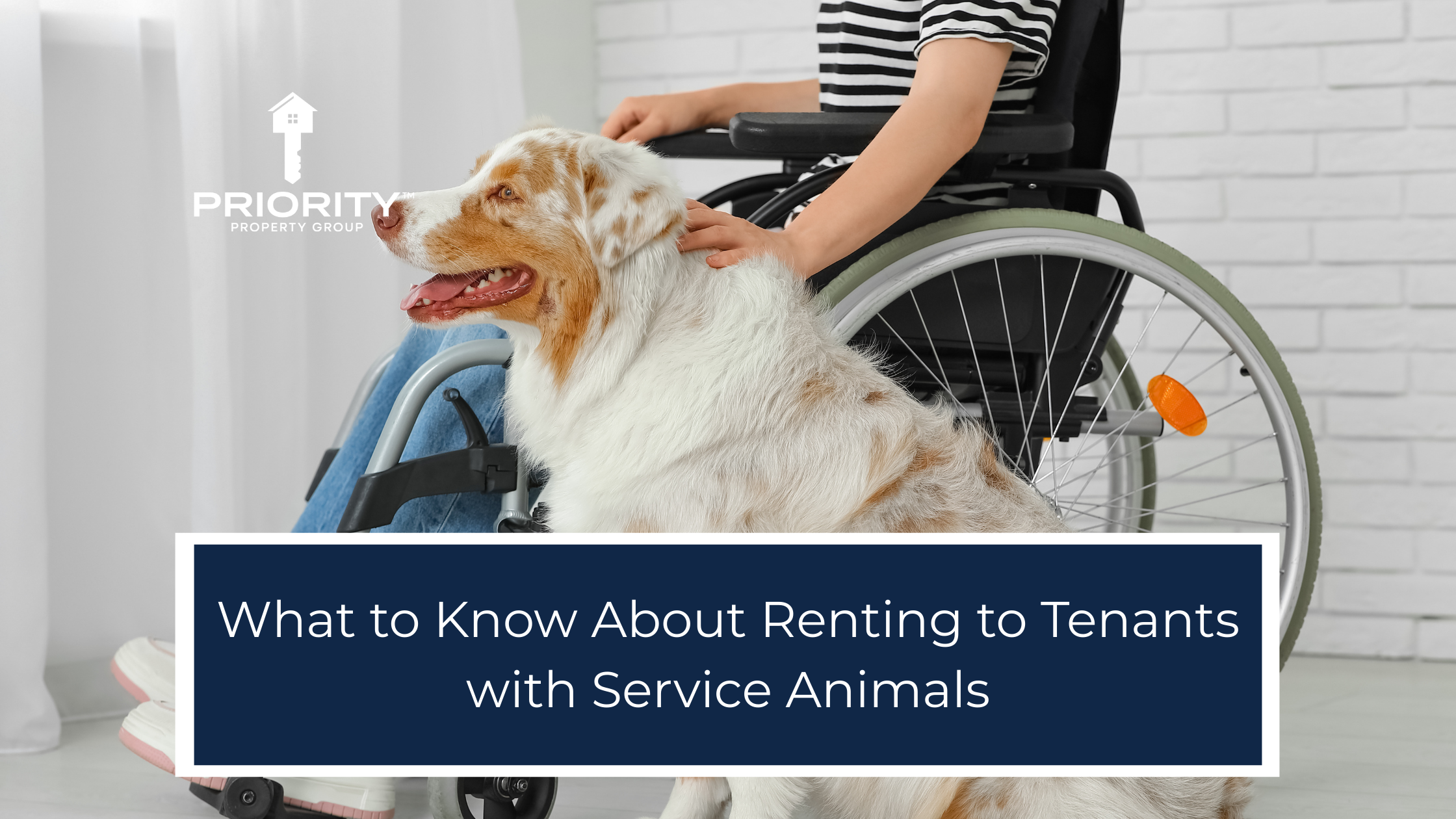
For many Charlotte-area rental property owners, pets are already a common topic during the leasing process. But service animals are different, and it’s important to understand how they’re treated under fair housing laws so you stay compliant while also protecting your rental property.
If you’re a landlord or investor renting in Charlotte or the surrounding areas, this guide explains the key rules, common misconceptions, and best practices when renting to tenants with service animals.
This is general educational information, not legal advice. For specific situations, consult an attorney or fair housing professional.
Service Animals vs. Emotional Support Animals (ESA)
One of the most common points of confusion is the difference between a service animal and an emotional support animal.

A service animal is typically a dog (and in rare cases a miniature horse) that is trained to perform specific tasks for a person with a disability. Examples include guiding someone who is visually impaired, alerting someone who is deaf, or assisting with mobility.
An emotional support animal (ESA) provides comfort or emotional support related to a disability, but it is not trained to perform a specific task. ESAs are still considered a type of assistance animal under housing rules, even though they are not service animals in the same way they are defined under ADA rules for public spaces.
In housing, both service animals and ESAs are generally treated as assistance animals, and they are not considered “pets.”
Why This Matters for Landlords
Because service animals and other assistance animals are not considered pets, landlords generally cannot apply standard pet rules to them. That includes many common policies such as “no pets allowed,” pet rent, and pet fees.
Understanding the rules upfront helps avoid discrimination claims, delays in leasing, and unnecessary conflict.
Can a Landlord Deny a Service Animal?
In most cases, landlords cannot deny a qualified tenant simply because they have a service animal or assistance animal. Even if your rental is advertised as “no pets,” a service animal is not considered a pet.

However, there are limited situations where a landlord may be able to deny the request, such as if:
The animal poses a direct threat to others that cannot be reduced through reasonable steps
The animal would cause substantial physical damage to the property that cannot be prevented
The request is not related to a disability or is not supported by appropriate documentation (when documentation is allowed)
Denials should be handled carefully and consistently, and owners should avoid making assumptions based on breed, size, or appearance.
Can You Charge Pet Fees or Pet Rent?
Typically, no.
Because service animals and assistance animals are not considered pets, landlords generally cannot charge:
Pet fees
Pet deposits
Monthly pet rent
That said, tenants can still be held responsible for actual damage caused by the animal beyond normal wear and tear, just like any other tenant-caused damage.
What Can You Ask a Tenant?
Landlords should be careful not to ask for medical details or request unnecessary documentation.
In many housing situations, you may ask for enough information to confirm:
The tenant has a disability (if not obvious), and
The animal provides assistance related to that disability
If the disability and the need for the animal are obvious, landlords generally should not request documentation.
For emotional support animals, landlords may be able to request documentation from a reliable third party when the need is not obvious.
Avoid asking:
What the tenant’s diagnosis is
Personal medical history
Detailed medical records
A good approach is to focus on compliance and consistency rather than over-verification.

What About Breed Restrictions and Insurance?
This is another common issue in Charlotte rentals.
Even if a property has breed restrictions, assistance animals are generally exempt from pet restrictions. However, owners should be aware that insurance policies sometimes have breed limitations, and this can create real-world complexity.
This is one reason it’s important to work with professionals who understand how to navigate both fair housing rules and practical risk management.
House Rules Still Apply
Allowing a service animal does not mean tenants can ignore lease rules. Tenants must still:
Maintain control of the animal
Prevent excessive noise or disturbance
Keep the unit sanitary
Dispose of waste properly
Prevent damage
If an animal causes repeated issues or poses a legitimate threat, landlords may be able to take action, but it must be based on behavior and documented facts, not assumptions.
Best Practices for Charlotte Landlords
To keep things smooth and compliant, here are best practices that protect both the owner and the tenant:
Treat service animals and assistance animals as a fair housing issue, not a pet issue
Use consistent screening criteria for all applicants
Document communication clearly and professionally
Avoid charging pet fees or pet rent for assistance animals
Hold tenants responsible for actual damage caused by the animal
If documentation is needed, request only what is appropriate and necessary
When in doubt, consult an attorney or housing professional before denying a request
Final Thoughts
Renting to tenants with service animals is a normal part of housing today, and landlords who understand the rules are better positioned to stay compliant and avoid problems.
The key is to treat assistance animal requests professionally, respond consistently, and focus on property care and lease enforcement without crossing legal lines.
Priority Property Group
2217 Matthews Township Pkwy, Ste D, Matthews, NC, 28105
704-800-3711
www.ppgmanagement.com