Cost-Effective HVAC Strategies for Lower-Income Rentals: What Investors Should Consider
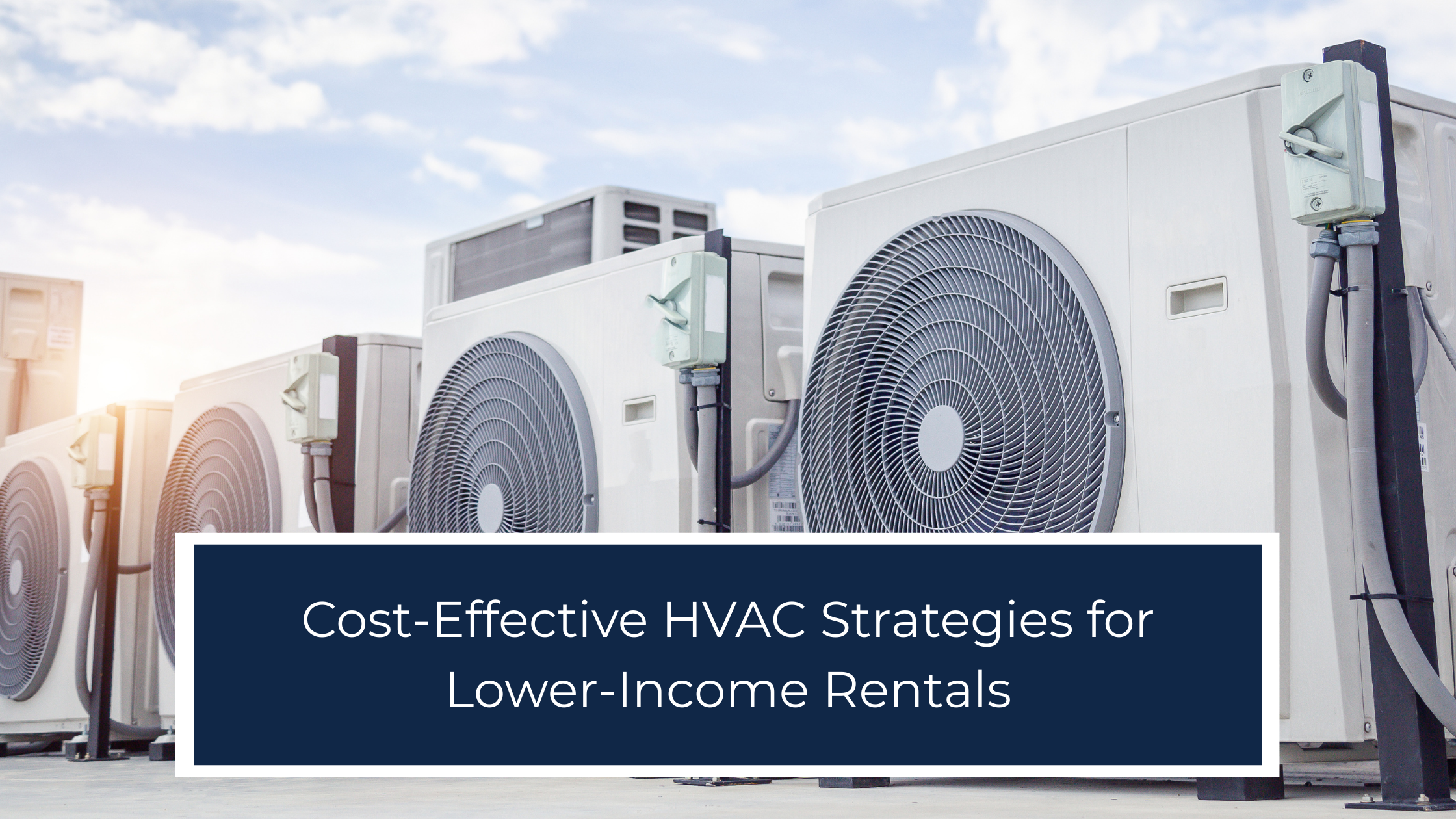
When investors think about heating and cooling systems, the instinct is often to default to central HVAC. While central systems are great for comfort and long-term value, they are not always the best fit for lower income rental properties, especially when the goal is to keep operating costs manageable while still providing safe and reliable housing.
At Priority Property Group, we work with investors across Charlotte who want to balance affordability with durability. Below are several effective HVAC strategies to consider, including when central systems make sense and when alternative options may be the smarter investment.
The Challenge: Balancing Cost, Comfort, and Durability
Lower income rentals often come with tighter margins. Renovation budgets may be limited, tenants may not cover utility costs efficiently, and expensive HVAC failures can cut into cash flow. The key is choosing heating and cooling solutions that are:
Cost effective to install
Durable with minimal maintenance
Easy for tenants to operate
Energy efficient
Compliant with local housing codes
While central HVAC checks some of those boxes, it also comes with high installation costs, ongoing maintenance, and more frequent repair needs. For many budget conscious rentals, alternative systems can make more financial sense.
Option 1: Window AC Units
Window units are one of the most practical and cost effective cooling solutions for older or budget rentals.
Pros:
Low upfront cost
Simple installation and removal
Easy to replace if a tenant damages or misuses it
Good for individual room control
Cons:
Less efficient than central AC
Not ideal for large homes or layouts with poor airflow
May not cool consistently in extreme heat
Prone to theft
When It Makes Sense:
Smaller units, older construction, or rentals where installing full ductwork is not feasible.
Option 2: Mini Split Systems
Ductless mini split systems are a very popular choice for rentals that do not justify the expense of full HVAC.
Pros:
No ductwork required
Highly energy efficient
Long lifespan with few moving parts
Can heat and cool
Room by room zoning reduces utility waste
Cons:
Higher upfront cost than window units
Visible interior wall heads
When It Makes Sense:
Properties needing both heating and cooling, but where central HVAC installation is impractical or too expensive.
Option 3: Baseboard or Wall Mounted Electric Heaters
Electric baseboard heaters or wall mounted plug in heaters are extremely common in lower income rentals because they are inexpensive and reliable.
Pros:
Very low installation cost
Minimal maintenance
Individual room control
No venting required
Cons:
Higher ongoing utility cost
Tenants may misuse them or leave them running
When It Makes Sense:
Older units without existing heat infrastructure or when heating needs are modest.
Option 4: Gas or Electric Wall Furnaces
Wall furnaces can efficiently heat smaller homes or duplex units without the need for ductwork.
Pros:
Strong heat output
Good for small home footprints
Affordable to install compared to central heat
Cons:
Requires proper ventilation and code compliance
Not ideal for inconsistent room temperatures
When It Makes Sense:
Units where one centralized heating element can effectively heat the home.
Option 5: Central HVAC
Central heating and air is still the gold standard, but only when the investment supports it.
Pros:
Most comfortable
Adds value to the home
Quiet and efficient when maintained
Cons:
Most expensive to install
Highest repair costs
Airflow issues and duct leaks are common in older homes
Requires ongoing maintenance that some tenants will not perform
When It Makes Sense:
Higher end rentals, long term holds, or properties where the ARV and tenant base justify the expense.
How to Choose the Right System for Your Rental Portfolio
When we advise investors in Charlotte, we look at several factors. These include the property age and layout, whether ductwork is feasible, the tenant profile, budget and hold strategy, expected rent range, and whether durability or upgrade value matters most.
Lower income rentals do not necessarily need complex systems. They need reliable and affordable ones.
In many cases, combining systems works best. For example:
Window units for cooling with wall heaters for heat
A mini split in the main living area with baseboard heaters in bedrooms
This hybrid approach often provides the best mix of comfort and cost control.
Final Thoughts for Investors
Not every rental needs a full central HVAC setup. Installing an expensive system in a property that cannot support the rent increase can hurt your returns. The smarter approach is choosing a heating and cooling strategy that matches the property type, budget, and long term goals.
If you are unsure which system is right for your rental, our team at Priority Property Group can evaluate the layout, rent targets, and long term investment strategy and help you determine the most effective HVAC solution.