Making Your Rental Property Rent-Ready in Charlotte, NC
A Practical Guide for Property Owners and Investors
Preparing a property for rent is one of the most important steps a property owner can take to protect their investment and attract strong tenants. A properly prepared home rents faster, commands better pricing, and reduces issues during the lease term.
For investors in Charlotte and the surrounding areas, rent-ready preparation also means understanding North Carolina’s habitability requirements and setting clear expectations from day one.
Below is a practical, step-by-step guide to getting a property rent-ready, with a focus on long-term performance and compliance.
At a Glance: The Rent-Ready Process
When preparing a property for new tenants, focus on five core steps:
Clean
Inspect
Replace
Test
Freshen Up
Each step helps ensure the home is safe, functional, and move-in ready, and establishes a baseline condition that protects both the owner and the tenant.
1. Clean the Property Thoroughly
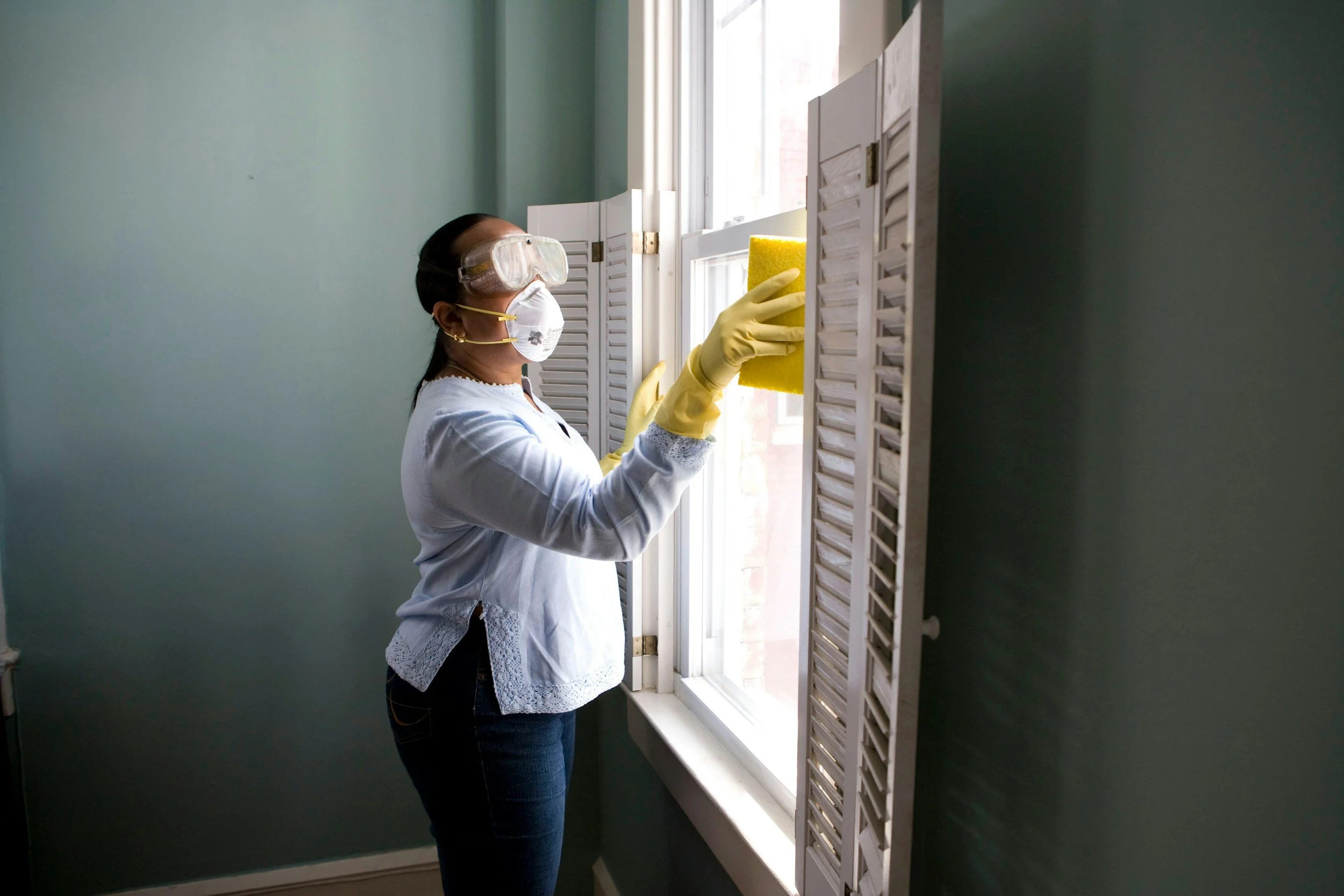
A professional, top-to-bottom cleaning is one of the most important rent-ready steps, even if the home appears clean after a move-out.
Areas that are commonly overlooked include:
Appliances (ovens, refrigerators, dishwashers)
Baseboards and trim
Cabinets and drawers
Bathrooms and grout lines
Ceiling fans and vents
Establishing a high cleanliness standard at move-in makes it easier to enforce expectations at move-out and reduces disputes over the security deposit. We also include lease language requiring professional cleaning at the end of the tenancy.
2. Inspect Key Systems and Safety Items
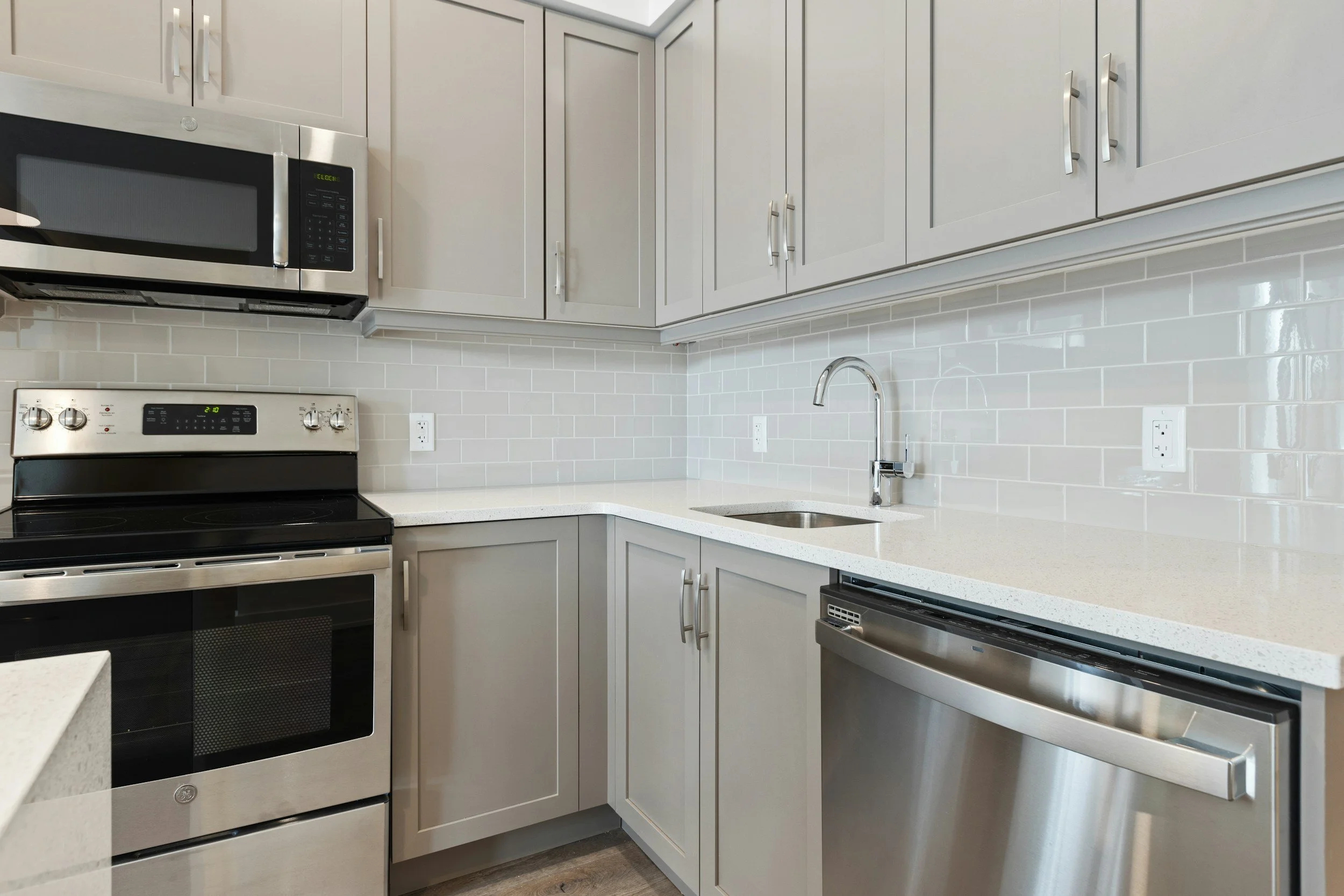
Vacancy is the best time to conduct a detailed inspection. In North Carolina, landlords are required to provide a safe and habitable dwelling, which includes maintaining essential systems.
Safety and Structural Items
Inspect:
Handrails, steps, and walkways
Exterior doors and locks
Windows and screens
Trip hazards inside and outside the home
Any safety concern should be addressed before marketing the property.
Appliances
Verify that all provided appliances are in proper working order, including:
Stove and oven
Refrigerator
Dishwasher
Washer and dryer (if included)
If an appliance is included in the lease, it is generally the owner’s responsibility to ensure it functions properly at move-in.
HVAC System
Heating and air conditioning are considered essential systems. In North Carolina, landlords must maintain heating systems capable of safely heating the home during colder months.
Before a new tenancy:
Inspect the system
Replace filters
Address any service issues
Confirm thermostats function correctly
3. Make Necessary Replacements
Some items should be replaced routinely between tenants to protect the property and ensure compliance.
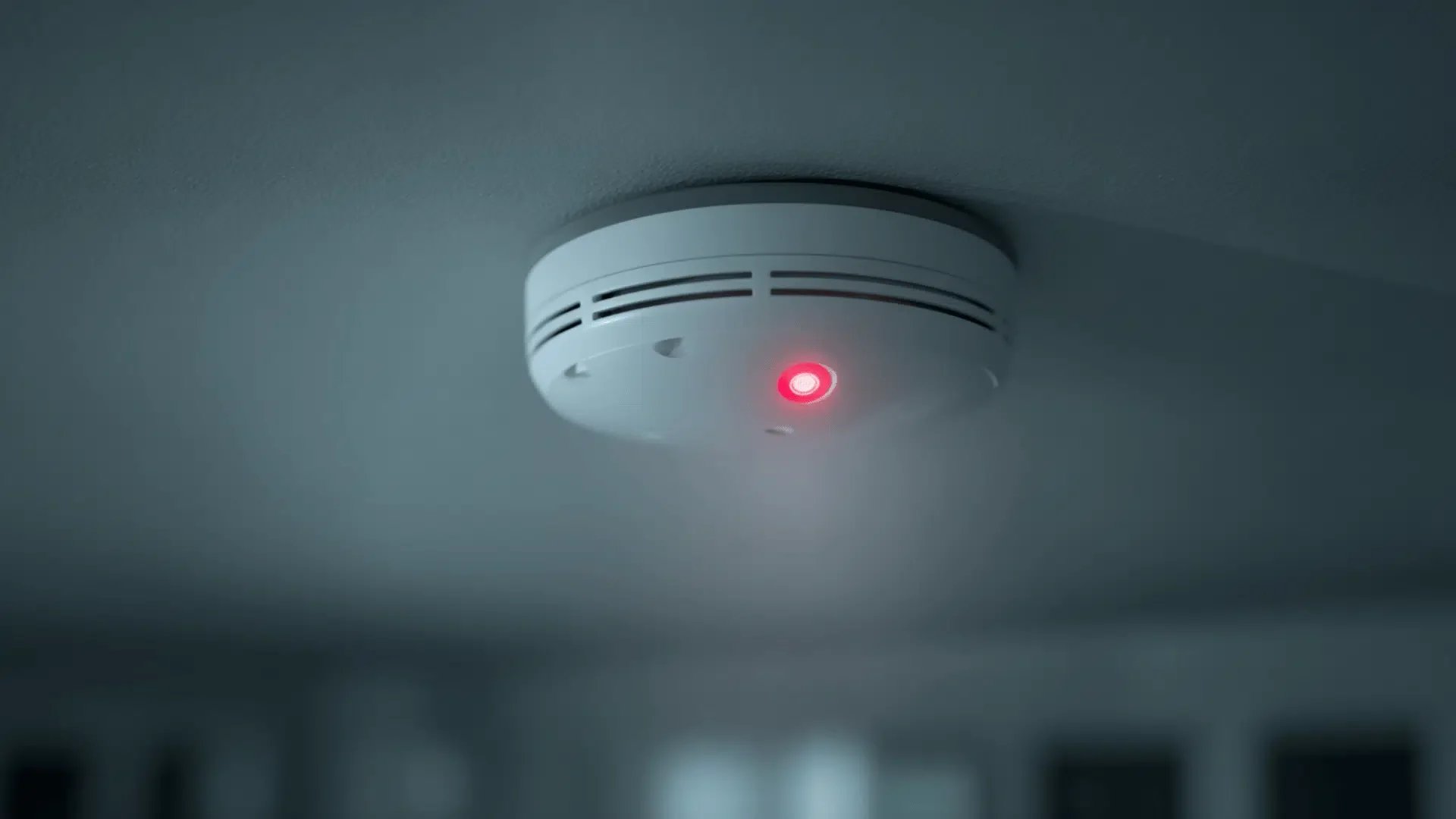
Smoke Alarms and Carbon Monoxide Detectors
North Carolina requires:
Smoke Alarm - at least one per level.
Carbon monoxide alarm - at least one per level.
Replace batteries and test all alarms prior to move-in.
Air Filters
Replacing HVAC filters before a new tenancy helps protect the system and improve indoor air quality. Many owners also leave extra filters for tenants and specify replacement frequency in the lease.
Locks
Best practice is to rekey or replace locks between tenants. This helps ensure tenant safety and limits liability. We recommend installing Kwikset SmartKey deadbolts to make rekeying locks in the future a breeze.
4. Test All Major Functions
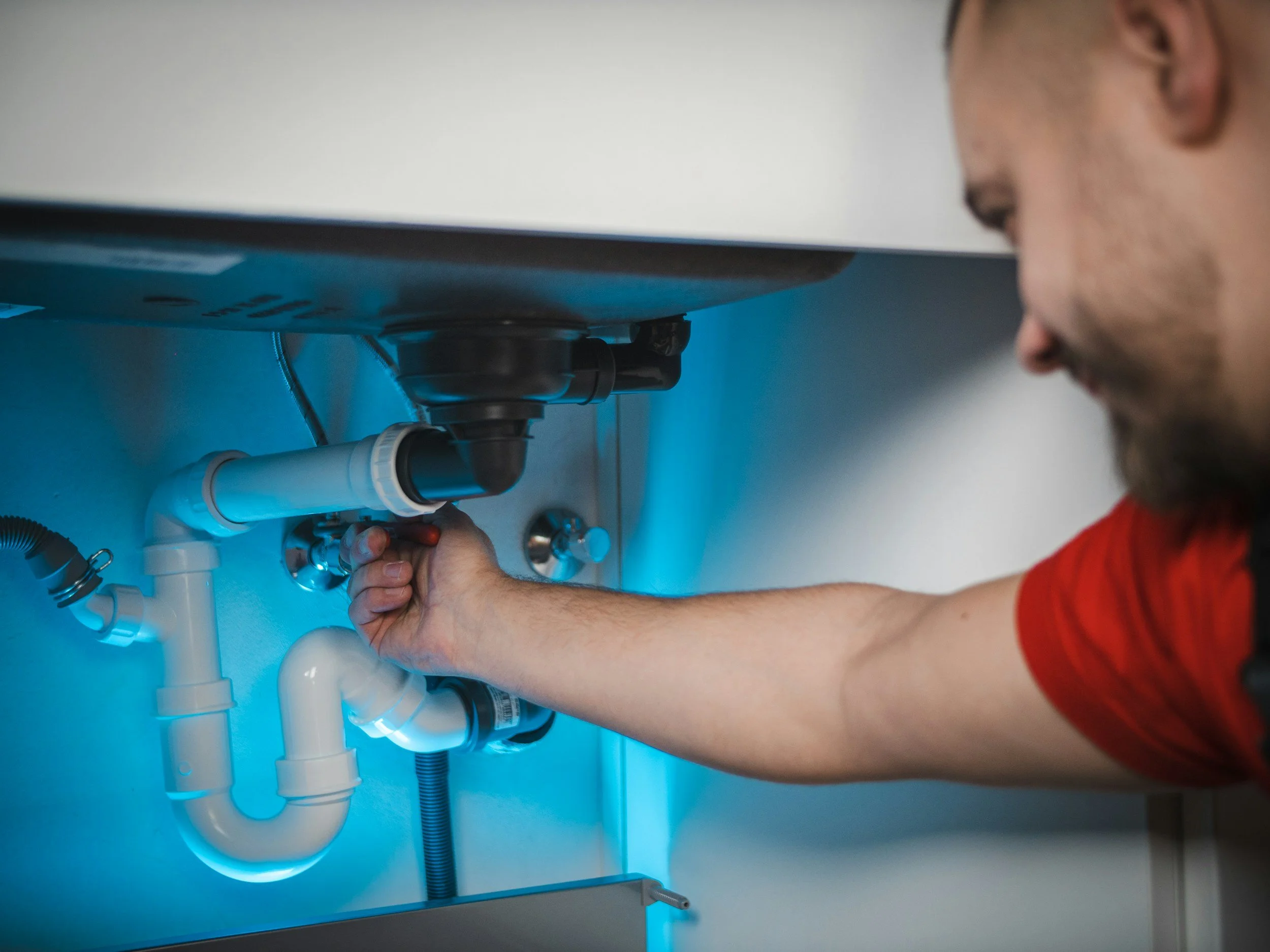
Before listing the property, test every major system:
Turn on all lights and ceiling fans
Run faucets and showers to check pressure and drainage
Flush toilets
Check garbage disposals
Confirm outlets and GFCIs function properly
Catching small issues early helps prevent maintenance requests immediately after move-in and improves tenant satisfaction.
5. Freshen Up Where It Counts

Cosmetic updates don’t need to be expensive to make a meaningful difference.
Consider:
Touch-up paint or repainting high-traffic areas
Replacing worn caulking
Addressing damaged flooring or stained carpet
Improving curb appeal with basic landscaping or exterior cleanup
A clean, well-maintained appearance signals professionalism and attracts tenants who are more likely to care for the property.
Setting the Right Expectations
A rent-ready home also helps establish clear expectations for how the property should be maintained during the tenancy. Tenants are far more likely to return a home in good condition when it is delivered that way.
For investors, this consistency reduces turnover costs, limits disputes, and protects long-term value.
Final Thoughts
Making a property rent-ready is not just about filling a vacancy, it’s about setting the foundation for a successful rental experience.
Preparing a property for rent can be time-consuming and easy to underestimate. At Priority Property Group, we handle the entire rent-ready process regularly, from inspections and vendor coordination to final walk-throughs, so properties are properly prepared, compliant, and ready to perform. Our experience helps owners avoid delays, reduce turnover costs, and start each lease on solid footing.
For Charlotte-area property owners, focusing on cleanliness, safety, functionality, and compliance helps ensure:
Faster leasing
Fewer maintenance issues
Stronger tenant relationships
Better long-term performance
Whether you manage your property yourself or work with a professional, a thorough rent-ready process is one of the best investments you can make.